Where to Find Quality Live Resin for Sale: A Buyer's Guide
If you have been shopping for cannabis concentrates lately, you have likely noticed the term "live resin" popping up next to the usual hash, shatter, and budder. It is not just a marketing label. Live resin represents a different approach to extraction, one that prioritizes preserving the plant's original terpene profile and aromatic complexity. For anyone who values flavor as much as potency, understanding what makes live resin distinct - and knowing where to find genuine live resin for sale - can make a real difference in your experience.
What Makes Live Resin Different?
The key difference between live resin and traditional cured resin comes down to one thing: the starting material. Standard resin, often called cured resin, is made from cannabis that has been dried and cured in the usual way. That process takes time and allows some volatile compounds to evaporate or degrade. Live resin, on the other hand, starts with freshly harvested cannabis that is put through a process called flash freezing. The plant material is frozen immediately after harvest, often within an hour or two, and kept frozen through the entire extraction process.
Flash freezing halts enzymatic breakdown and locks in the plant's natural chemistry at its peak. When that frozen biomass goes through solventless extraction - typically using ice water and agitation, or a mechanical press - the resulting concentrate retains a much wider range of delicate terpenes. Those terpenes are responsible for the scent and flavor notes you get when you heat the concentrate. With live resin, you are tasting the plant as it was at harvest, not as it becomes after weeks of drying.
Live Resin vs. Cured Resin: What You Actually Notice
If you put a dab of live resin next to a dab of cured resin from the same strain, the differences are immediate. The live resin will often be paler in color, almost a light gold or straw color, while cured resin tends toward darker amber tones. The aroma from the live resin is brighter and more complex, with distinct fruit, floral, or pine notes that can be more muted in the cured version.
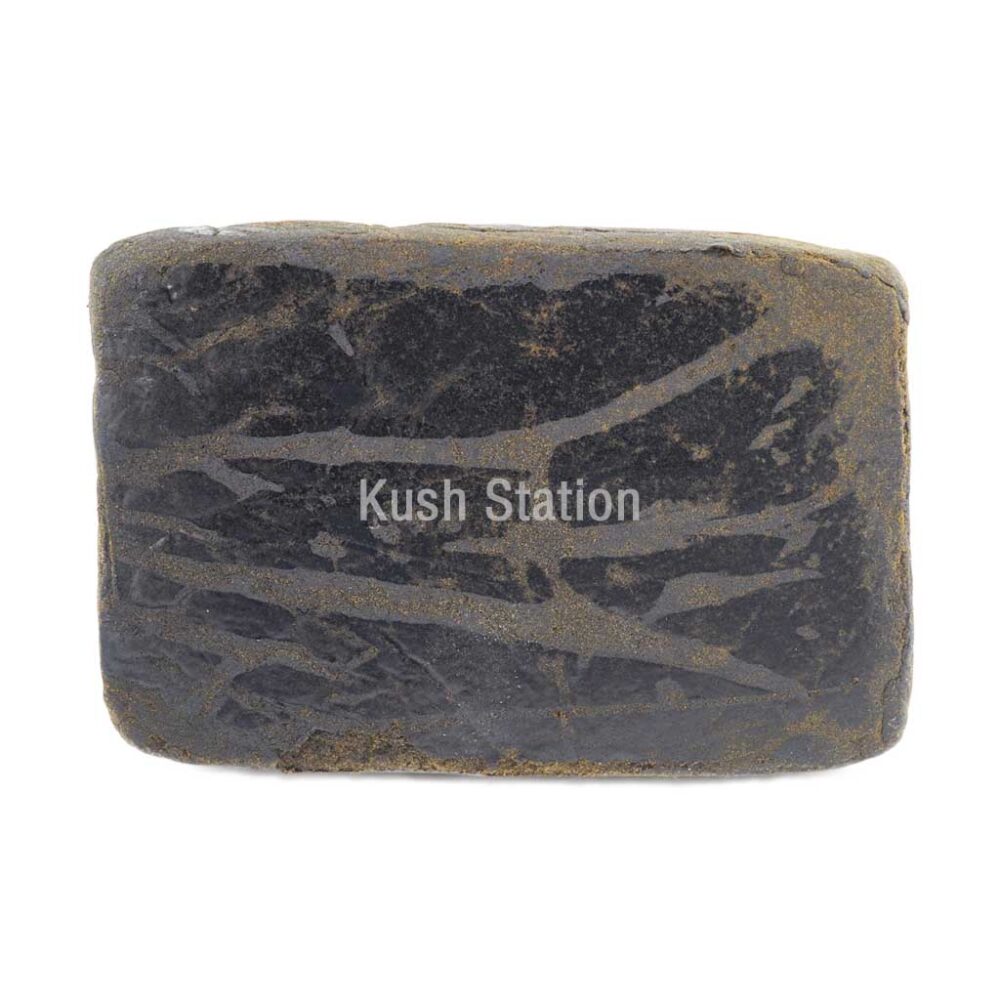
The texture also differs. Live resin is often softer and more malleable at room temperature, with a consistency that can range from a sticky paste to a buttery solid depending on the strain and the specific extraction method. Cured resin, especially when made into shatter, tends to be glassy and brittle. Neither is better in an absolute sense - it depends on what you value. If you want the purest expression of a strain's terpene profile, live resin is the way to go. If you prefer a more stable product that is easier to handle and store for long periods, cured resin may suit you better.
Potency and THC Potency in Live Resin
One common question is whether live resin is more potent than other concentrates. The answer is not straightforward. THC potency in live resin can be very high, often testing between 70 and 85 percent total cannabinoids, but that range overlaps with high-quality hash, shatter, and budder. The real advantage of live resin is not necessarily a higher THC percentage, but a more complete cannabinoid and terpene profile. Because the plant is frozen fresh, minor cannabinoids and volatile compounds that would otherwise degrade are preserved.
That said, live resin tends to produce a more nuanced effect. An Indica live resin might feel more sedative and full-bodied, while a Sativa live resin can feel more uplifting and clear-headed. Hybrid live resin products offer a middle ground. When you are looking at live resin for sale, pay attention to the reported THC percentage and the listed terpenes. A good batch will have lab-tested concentrates with clear numbers you can trust.
Cold Curing and the Art of Preservation
After extraction, live resin goes through a process called cold curing. Unlike the warm, slow curing that aged cheeses or wines undergo, cold curing keeps the concentrate at low temperatures, often below 40 degrees Fahrenheit, for a period ranging from a few days to several weeks. This allows any residual moisture to separate without encouraging the growth of mold or the breakdown of delicate compounds.
Cold curing also helps the resin to develop its final texture and clarity. A properly cold-cured live resin will have a smooth, homogenous appearance without the graininess that can indicate incomplete processing. If you see a product labeled as live resin that looks dark, gritty, or has visible separation, it may not have been cold cured properly. Reputable producers take this step seriously because it directly affects the quality of the final concentrate.
How to Use Live Resin
Most people use live resin with a dab rig or an e-nail. Because it is a concentrate, you need to heat it to a temperature that vaporizes the cannabinoids and terpenes without burning them. A good starting point is around 500 to 550 degrees Fahrenheit, though some enthusiasts prefer lower temperatures around 450 to 500 degrees for better flavor. If you use an e-nail, you can set the temperature precisely and avoid the guesswork of a torch.
If you do not have a dab rig or e-nail, you can also add a small amount of live resin to a bowl of flower or use it in a vaporizer designed for concentrates. The key is to use low heat and take small dabs at first, especially if you are new to concentrates. Live resin can be very potent, and a grain-of-rice sized dab is often enough for a strong effect.
Where to Look for Live Resin for Sale
When you are searching for live resin for sale, the source matters. Not every dispensary or online shop carries genuine live resin. Some products labeled as live resin are actually just standard resin that has been given a trendy name. To find the real thing, look for transparency about the production process. Reputable sellers will tell you whether the cannabis was flash frozen, whether the extraction was solventless, and whether the product has been lab tested.
One online store that has built a reputation for carrying a solid selection of cannabis concentrates is KushStation. They sort their products by type, potency, and price, which makes it easier to compare live resin brands side by side. They offer Indica live resin, Sativa live resin, and hybrid live resin options, and they include lab-tested concentrates with clear THC potency and terpene profile information. That kind of detail is exactly what you want when you are buying concentrates online, because you cannot smell or touch the product before you buy.
What to Look for on a Product Page
- Clear labeling of the extraction method - look for "solventless" or "ice water" extraction.
- Lab results showing THC percentage and the top three to five terpenes present.
- Information on whether the starting material was flash frozen or fresh frozen.
- A description of the texture and color, which can indicate proper cold curing.
- Customer reviews that mention flavor, effect, and consistency.
The Bottom Line on Live Resin
Live resin is not just a passing trend. It represents a genuine improvement in how we capture and preserve the cannabis plant's full chemical profile. For anyone who cares about flavor, aroma, and the subtleties of different strains, live resin offers an experience that other concentrates cannot fully replicate. Whether you are a seasoned dabber or just starting to explore concentrates, trying a well-made live resin is worth your time.
Just remember to buy from a source that is honest about its production methods and testing. A good live resin will cost a bit more than standard hash or shatter, but the difference in quality is usually worth the price. If you have been browsing live resin for sale and feel overwhelmed by the options, focus on the basics: look for solventless extraction, cold curing, and lab-tested concentrates. Those three things will get you the best product more often than not.